
For a single-family house, take the work in this order: exterior envelope first, then buried drains and sewer lines, then surfaces, and interior projects last. The envelope and the underground lines decide whether the rest of the work stays dry and stable, so they come before anything cosmetic. Surfaces and interior finishes are easier to schedule once water has a defined path away from the structure.
Why does the exterior envelope come first?
The exterior envelope is the roof, walls, windows, doors, and the drainage plane that ties them together. It is the part of the house that meets rain, snow, sun, and wind, and it sets the conditions for everything inside it. If the roof is at the end of its service life or a wall assembly is letting water in, interior work is exposed to the same water. A practical sequence starts with a roof condition review, then wall and window seals, then the grading and gutters that move water away from the foundation.
Roof replacement timing is usually driven by age, granule loss, and the number of repaired leaks rather than by a single event. Sun exposure and seasonal temperature swings matter: a roof face that takes full afternoon sun ages differently from one under shade, and freeze-thaw cycles work on flashing and sealants. Exterior shades and shutters address sun and rain at the window, which reduces heat gain and water contact on frames. Garage doors are part of the same envelope, and their cost and insulation level affect both energy use and how the wall performs. Insect entry points, such as gaps at sill plates and vents, are also envelope details, and they are handled in the same pass. Homeowners who want a plain-language reference for these exterior items, from roof replacement frequency to exterior shades and garage door costs, can read home and yard maintenance guides before scheduling contractors.
A simple envelope checklist:
Roof: age, missing shingles, flashing at chimneys and valleys, gutter condition.
Walls: siding or cladding damage, paint or stain failure, caulk at joints.
Openings: window and door seals, thresholds, garage door bottom seals.
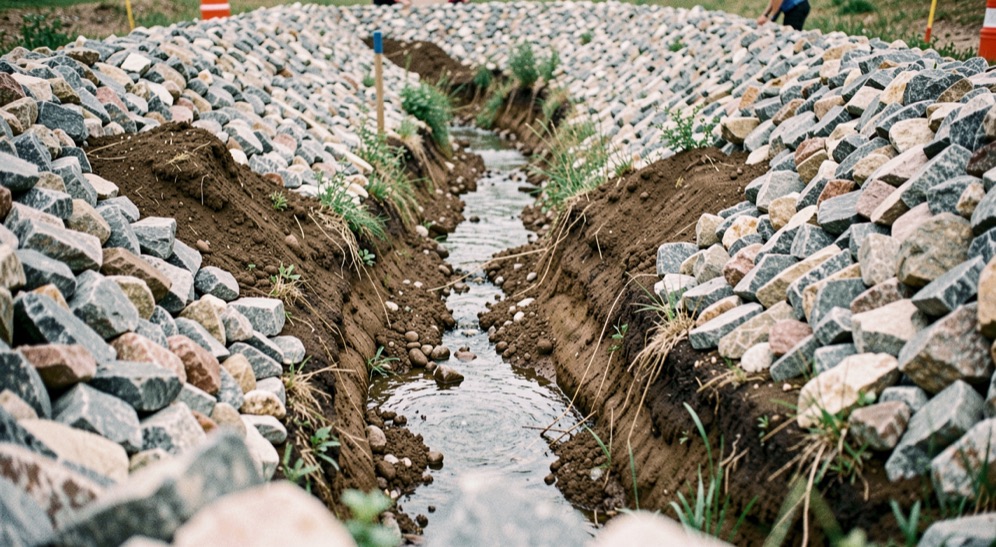
Water path: grading slope, downspout extensions, surface drains.
What should be checked in buried drains and sewer lines?
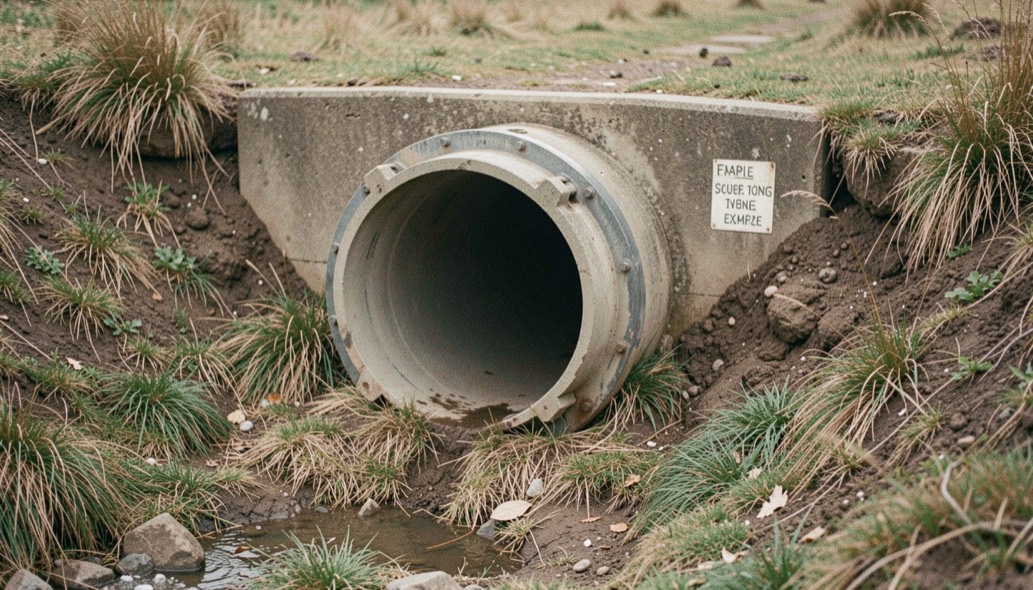
Buried drains and sewer lines are the second priority because they carry water that the envelope sheds. A roof and gutters can be in good order while the underground line is blocked or cracked, and the result is the same: water or waste where it should not be. The common failure is root intrusion at joints and small cracks. Roots enter through openings that are often too small to see from the surface, then expand as they grow.
Signs worth noting: slow drains in several fixtures at once, gurgling, sewage odor in the yard, soft or unusually green patches over the line, and repeated backups after rain. A camera inspection shows the inside of the pipe and the location of the problem. Trenchless replacement, often called pipe bursting or lining, avoids a full open excavation and is useful under driveways, patios, and mature trees. It has limits: the existing pipe must be the right material and condition, the line must have suitable access points, and the new diameter may be constrained. It is not a universal answer, and a contractor should explain why it fits or does not fit a given line.
Work on sewer and drain lines carries real risk. Confined spaces, heavy equipment, and the possibility of damaging other utilities make this a job for trained professionals with the right permits and insurance. Homeowners can handle observation and record keeping, but excavation and pipe work should be left to licensed trades.
In what order should surfaces and interior work be taken?
Surfaces and interior work come after the envelope and the underground lines, because they are the most easily damaged by water and the most expensive to redo. The order within this group follows exposure: exterior flatwork and hardscape first, then interior rooms, then finishes.
Exterior surfaces include driveways, walkways, patios, and retaining walls. A dry-stacked block retaining wall, for example, depends on proper base preparation, drainage gravel, and compaction. If it is built before the drainage plan is settled, water can collect behind it and push it out of line. Brick paver cleaning and sealing also belong here, and they are best done in dry weather after the grading and drainage are final.
Interior work follows a similar logic. Home office finishes, flooring, and paint are last because they are sensitive to moisture and dust. Carpet in a basement or lower level should not be installed until the drainage and vapor situation is understood. Renovation priorities are usually set by safety and water first, then function, then appearance. A useful order is: structural and water issues, electrical and plumbing rough-in, insulation and drywall, then flooring, trim, and paint.
How do you decide when to repair and when to replace?
The decision between repair and replacement is usually a question of remaining service life and the cost of repeated repairs. A roof with a few damaged shingles can be repaired. A roof that is near the end of its expected life, with widespread granule loss and multiple leak points, is usually replaced. The same logic applies to sewer lines: a single root cut may be a maintenance item, while a line with collapsed sections or multiple cracks is a replacement candidate.
For surfaces, repair is often the first step. Cracked pavers can be reset, and a retaining wall can be rebuilt in sections. Replacement makes sense when the base has failed or the wall has moved enough that rebuilding is the only stable option. For interior finishes, repair is almost always preferred until water intrusion is resolved.
A practical test: if the repair cost is a large share of replacement cost and the item is already past its expected life, replacement is usually the better use of money. If the item is young and the damage is localized, repair is the better choice.
What records should a homeowner keep?
Records make the order of work easier to defend and easier to repeat. Keep a simple file with dates, contractors, permits, and photos. For the envelope, note the roof installation date, the material, and any repairs. For buried lines, keep the camera inspection report and the location of the line. For surfaces and interior work, keep product names and colors.
A short annual walkthrough helps. Check the roof from the ground with binoculars, look at gutters after leaf fall, test basement drains, and note any new cracks in walls or flatwork. Catching a small issue before it becomes a water problem is the main reason to keep the sequence in this order.
How does a homeowner sequence the work across seasons?
Season matters in a mountain or cold-winter climate. Envelope work is best scheduled in late spring through early fall, when sealants cure and roofing crews can work safely. Buried drain and sewer work can be done in the same window, before the ground freezes. Surfaces such as pavers and retaining walls also need unfrozen ground and dry conditions. Interior work is the best cold-weather project, which is why it sits last in the sequence: it can be done in winter while the exterior waits for the next building season.
A simple annual plan:
Spring: inspect the envelope, clean gutters, check grading.
Summer: roof repairs or replacement, exterior shades, garage door work.
Early fall: sewer and drain inspection, trenchless work if needed.
Late fall and winter: interior finishes, home office, flooring.
This order keeps water out first, keeps the ground lines clear second, and leaves the visible and interior work for the season when it can be done without fighting the weather.
Once the seasonal sequence of home and yard work is settled, the remaining variable is what leaves the property and when. Collection rules are local, so a household that stores bags and bins through the winter still needs to confirm its own set-out times and approved containers before the first pickup of the season. Weight and volume limits, calendar reading and compliance questions are covered there, which helps keep the maintenance schedule and the collection schedule from working against each other.